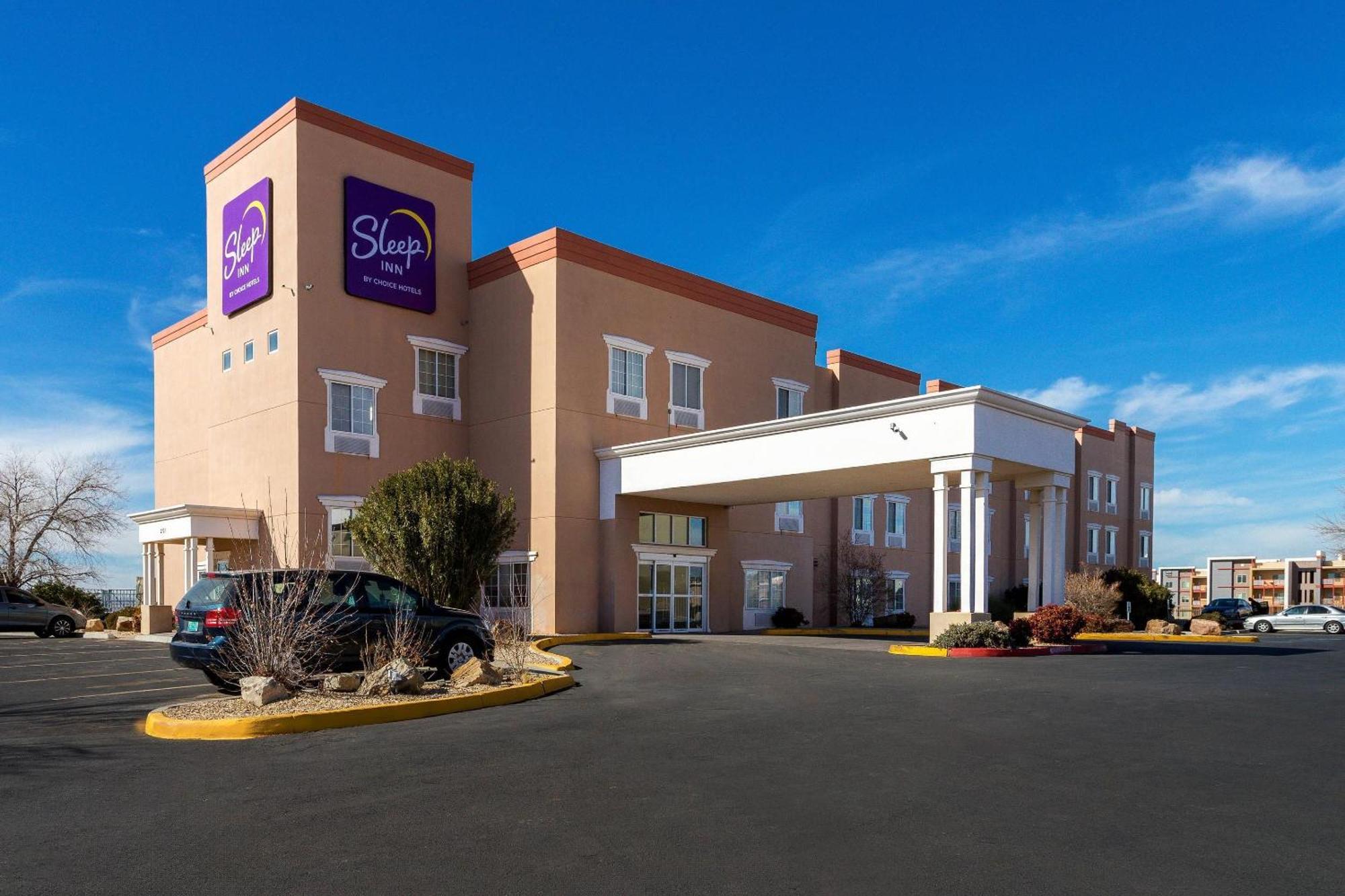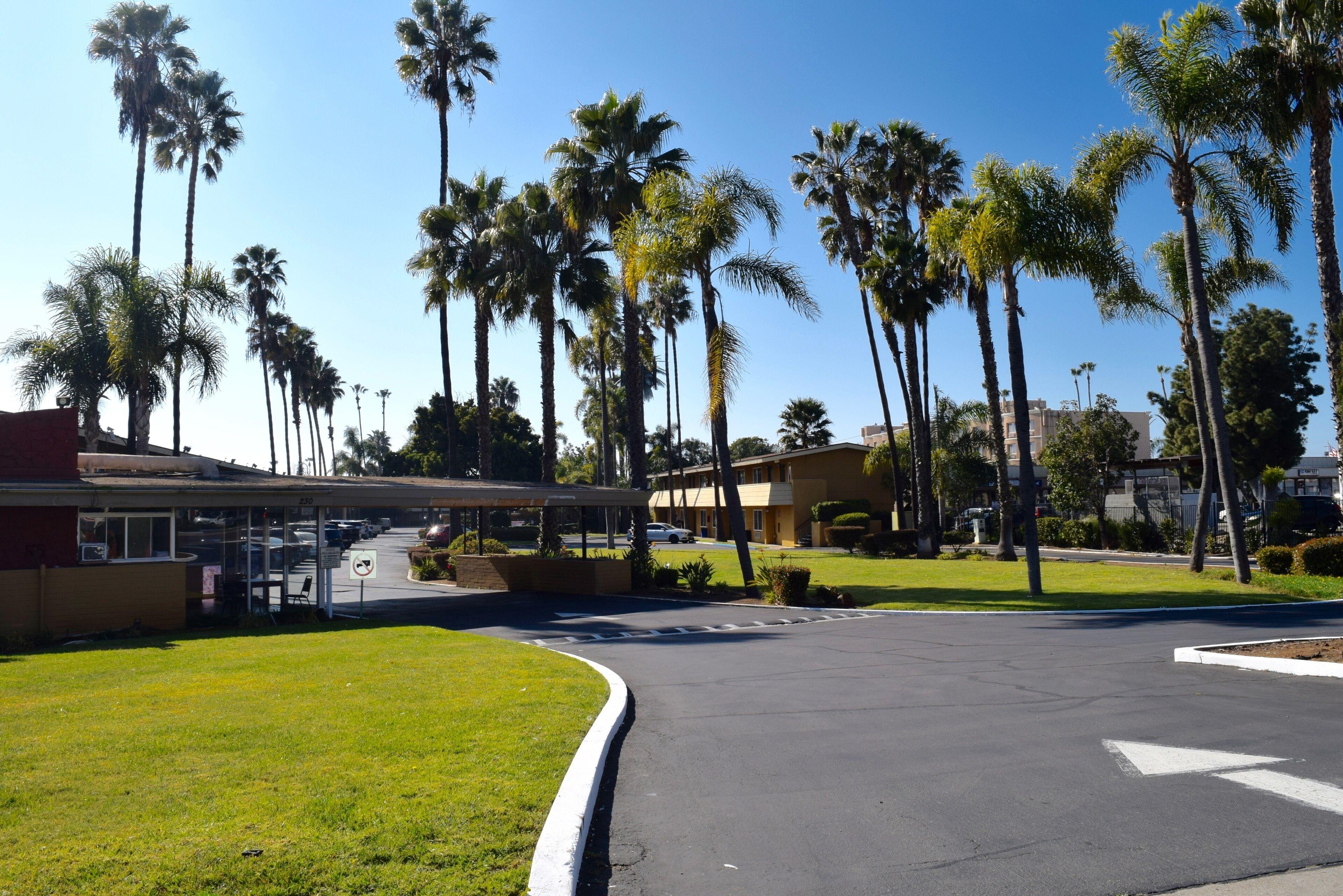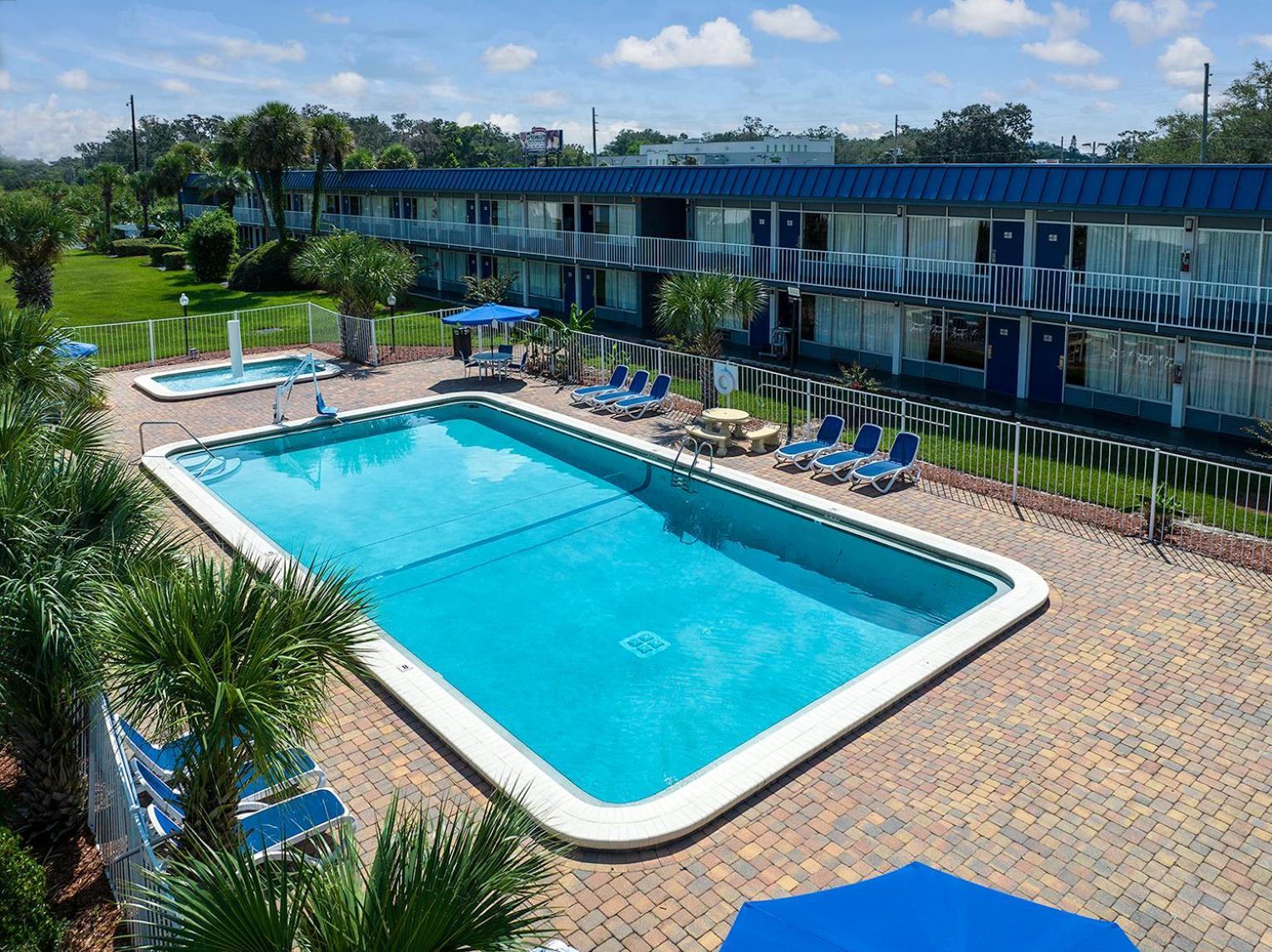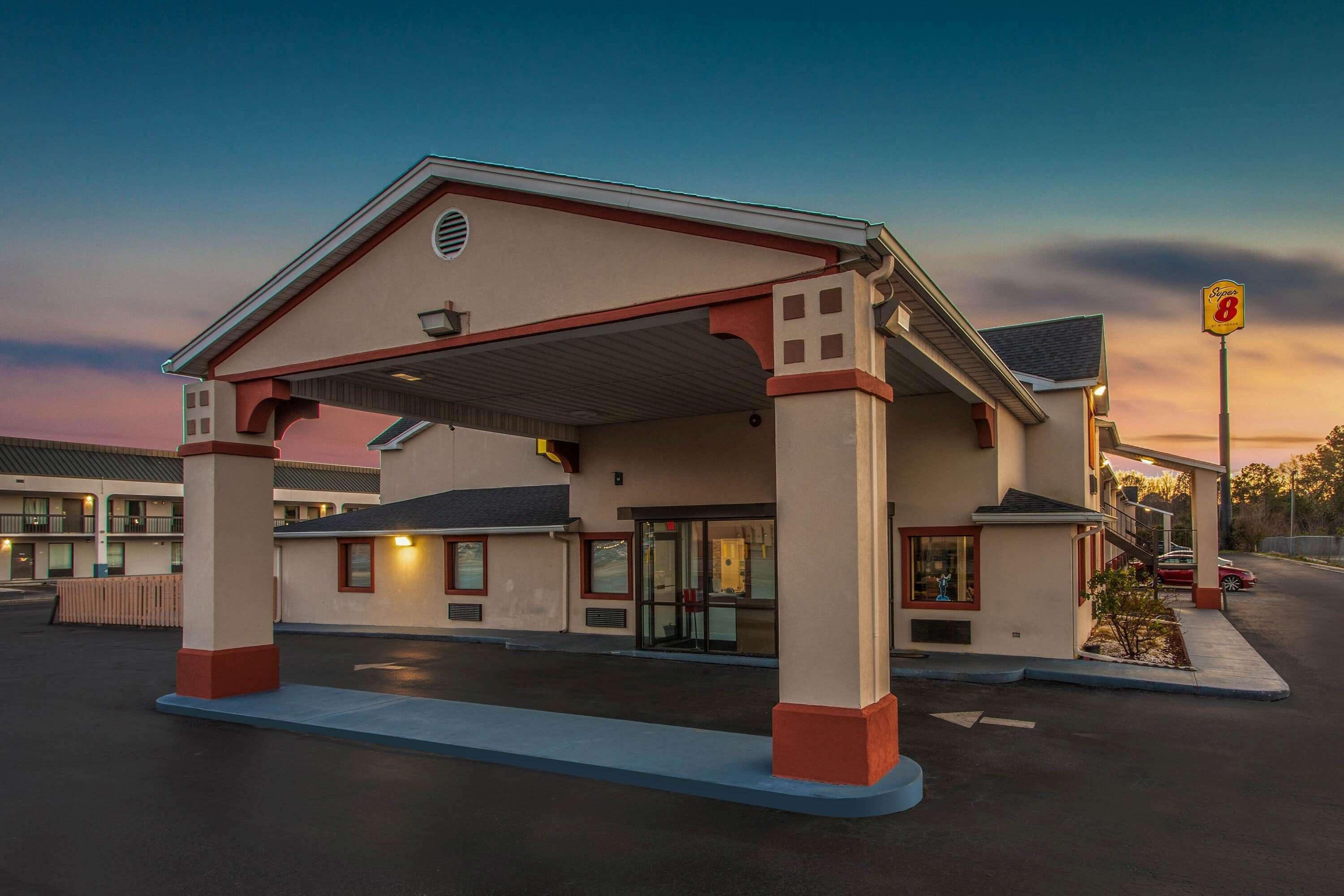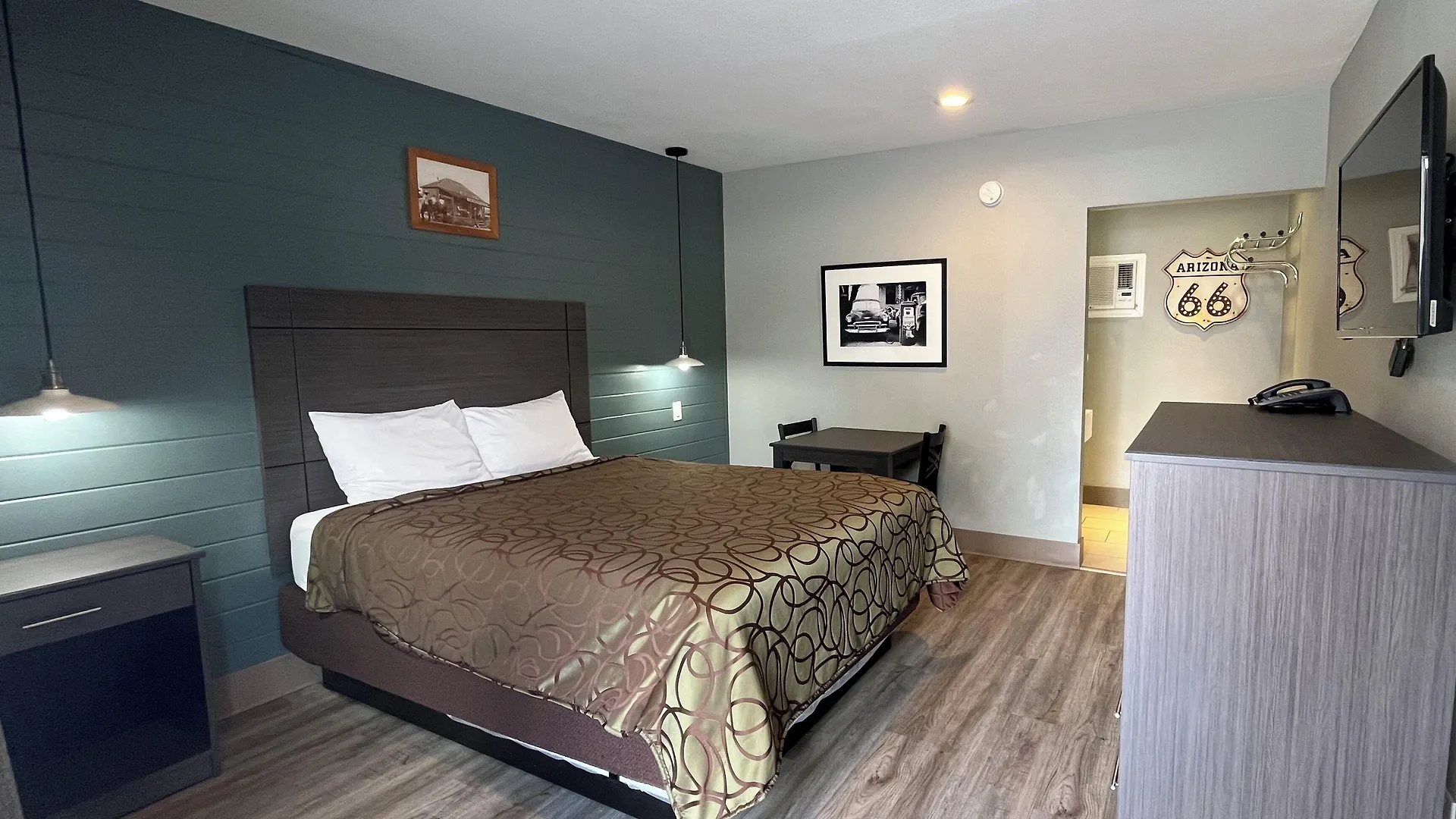
Staying near the Grand Canyon doesn't require a luxury budget. The 2-star hotels in the gateway towns of Flagstaff and Williams offer practical, no-frills accommodation within striking distance of one of the world's most visited natural landmarks - without the inflated prices of on-rim lodges. This guide covers four vetted options to help you decide which fits your trip best.
What It's Like Staying Near the Grand Canyon
The Grand Canyon is one of the most visited national parks in the United States, drawing around 6 million visitors annually. Most travelers don't sleep on the rim itself - instead, they base themselves in Flagstaff or Williams, both of which serve as the main gateway towns with real infrastructure, restaurants, and transport links. Flagstaff sits roughly 80 km from the South Rim, making it the most practical hub for multi-day exploration, while Williams offers a quieter, more old-Route-66 atmosphere closer to the canyon entrance.
Traffic into the park peaks between May and September, so arriving early in the morning from either town is standard strategy among experienced visitors. Driving from Flagstaff to the South Rim takes under 90 minutes, and the route is straightforward on US-180 and AZ-64.
Pros:
- Gateway towns offer far more dining and supply options than on-rim lodges
- Flagstaff has Amtrak and regional bus connections, reducing car dependency
- Accommodation prices in Flagstaff and Williams are significantly lower than in-park lodging
Cons:
- You'll need a car or shuttle to reach the canyon each day - no walkable access from town hotels
- Early morning drives are necessary to beat peak crowds at popular viewpoints
- In summer, Flagstaff accommodation fills up quickly, especially on weekends
Why Choose 2-Star Hotels Near the Grand Canyon
2-star hotels in the Flagstaff and Williams area are built around functionality: free parking, reliable WiFi, private bathrooms, and straightforward check-in - everything a canyon-focused traveler actually needs after a long day on the trails. These properties typically cost around 40% less than mid-range hotels in the same area during peak season, making them the most sensible base for visitors prioritizing time outdoors over in-room comfort. Room sizes vary, but expect standard motel-style layouts - adequate for sleeping and storing gear, not for extended stays with large groups.
Unlike on-rim lodges that require reservations made months in advance, many 2-star options in Flagstaff remain available with shorter lead times outside of peak summer weekends. Most properties offer free private parking, which matters given that a personal vehicle is essentially required for canyon access from either town.
Pros:
- Free parking included at virtually all 2-star properties - critical when driving to the canyon daily
- Allergy-free room options available at select properties in Flagstaff
- Family room configurations available, reducing the need to book multiple units
Cons:
- Limited on-site dining - most properties have no restaurant, requiring short drives for meals
- Noise from airport proximity or main roads is a realistic trade-off at lower price points
- Minimal concierge or activity-booking support compared to 3-star and above
Practical Booking & Area Strategy Near the Grand Canyon
Flagstaff is the dominant base for Grand Canyon visitors - it has more accommodation variety, access to Northern Arizona University's surrounding amenities, a functioning Amtrak station, and Flagstaff Pulliam Airport within the city. Williams, located around 55 km west of Flagstaff, sits closer to the Grand Canyon Railway terminus, which runs a scenic train directly to the South Rim - a practical alternative to driving for families or first-timers. The Grand Canyon South Rim is the most accessible and most visited section, with viewpoints like Mather Point and Yavapai Observation Station reachable within minutes of the main entrance.
For hikers targeting Bright Angel Trail or South Kaibab Trail, starting by 6 a.m. is strongly advised during summer months - temperatures on the canyon floor can exceed dangerous levels by midday. Book 2-star accommodation in Flagstaff at least 6 weeks ahead if traveling between June and August, as budget inventory disappears fast. Shoulder seasons - April to May and September to October - offer better rates and thinner crowds at both the hotels and the canyon itself.
Best Value Stays
These properties deliver the essentials for a Grand Canyon base trip - free parking, reliable WiFi, and private bathrooms - at the lowest price points among the four options.
-
1. Arizona Mountain Inn & Cabins
Show on map


 Check-infrom 15:00 until 23:59Check-outfrom 08:00 until 11:00
Just a few rooms left at the best rate!
fromUS$ 191
-
2. Mountain View Inn
Show on map


 Check-infrom 15:00 until 22:00Check-outuntil 11:00
Just a few rooms left at the best rate!
fromUS$ 31
-
3. Celilo Inn
Show on map


 Check-infrom 15:00 until 22:30Check-outuntil 10:00
Hurry – almost gone at this price!
fromUS$ 55
Best Premium Option
For travelers who want a more characterful stay without paying full mid-range prices, this Flagstaff property stands apart from standard motel-style accommodation.
-
4. Weatherford Hotel
Show on map


 Check-infrom 15:00 until 22:00Check-outuntil 11:00
Rooms filling fast – secure the best rate!
fromUS$ 229
Smart Travel & Timing Advice for the Grand Canyon
The Grand Canyon South Rim is open year-round, but the experience differs dramatically by season. Summer (June-August) brings the highest footfall, with parking lots at key viewpoints filling by 9 a.m. and trail temperatures making afternoon hiking unsafe. Spring and fall are objectively the best seasons for canyon hiking - cooler temperatures, manageable crowds, and better availability at gateway town hotels. Winter visits are underrated: the rim sees occasional snow, creating striking visuals, and 2-star hotel rates in Flagstaff drop noticeably. The North Rim, by contrast, closes entirely from mid-October to mid-May.
A realistic Grand Canyon itinerary from Flagstaff or Williams works well over 2 nights minimum - one day for the South Rim viewpoints and a shorter trail, a second for a deeper hike or a detoured visit to Antelope Canyon or Horseshoe Bend. Book 2-star rooms at least 6 weeks ahead for any summer weekend; last-minute rates in peak season tend to spike significantly as inventory thins. Mid-week stays - Tuesday through Thursday - consistently offer lower rates than weekend arrivals at budget properties in both Flagstaff and Williams.