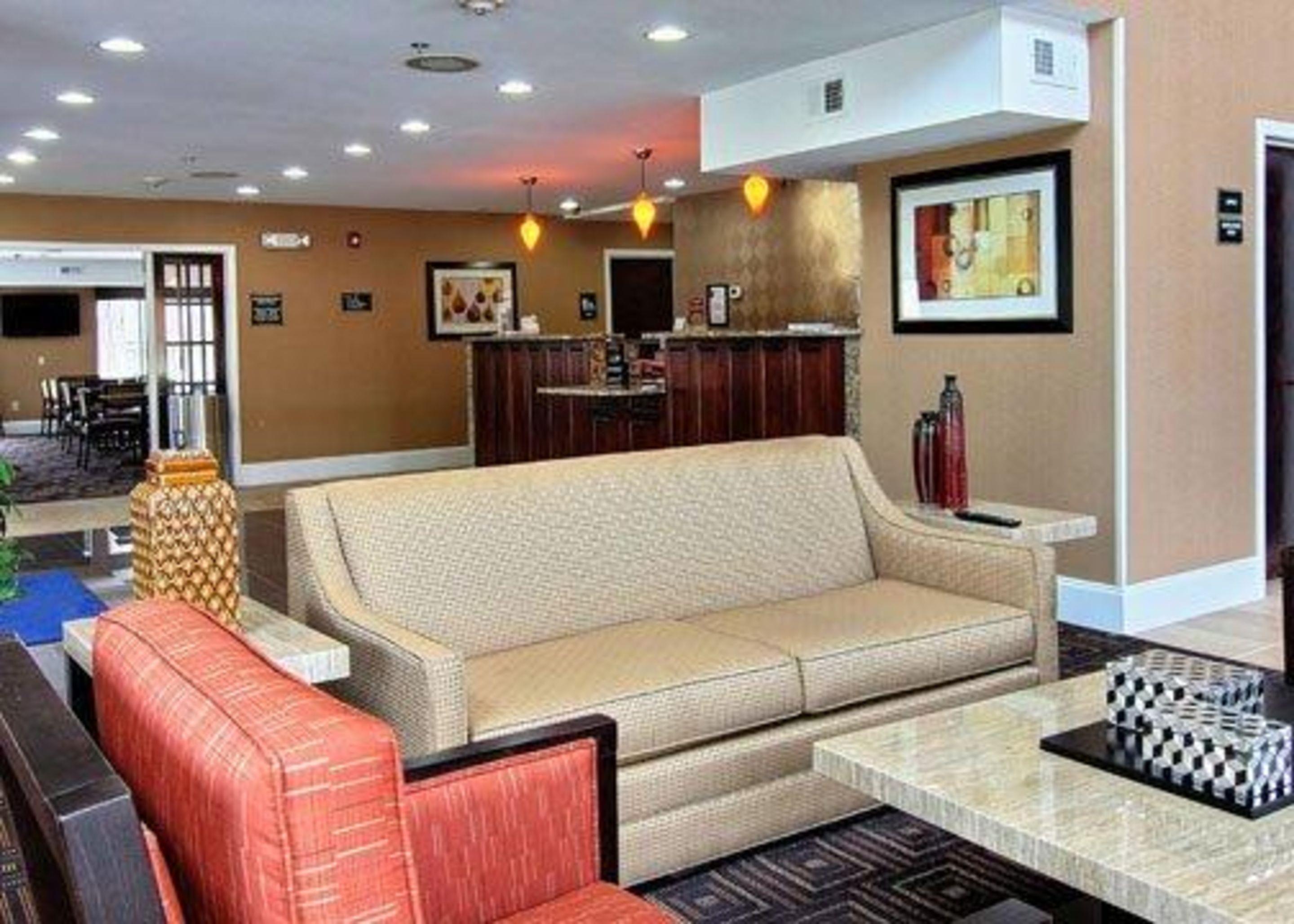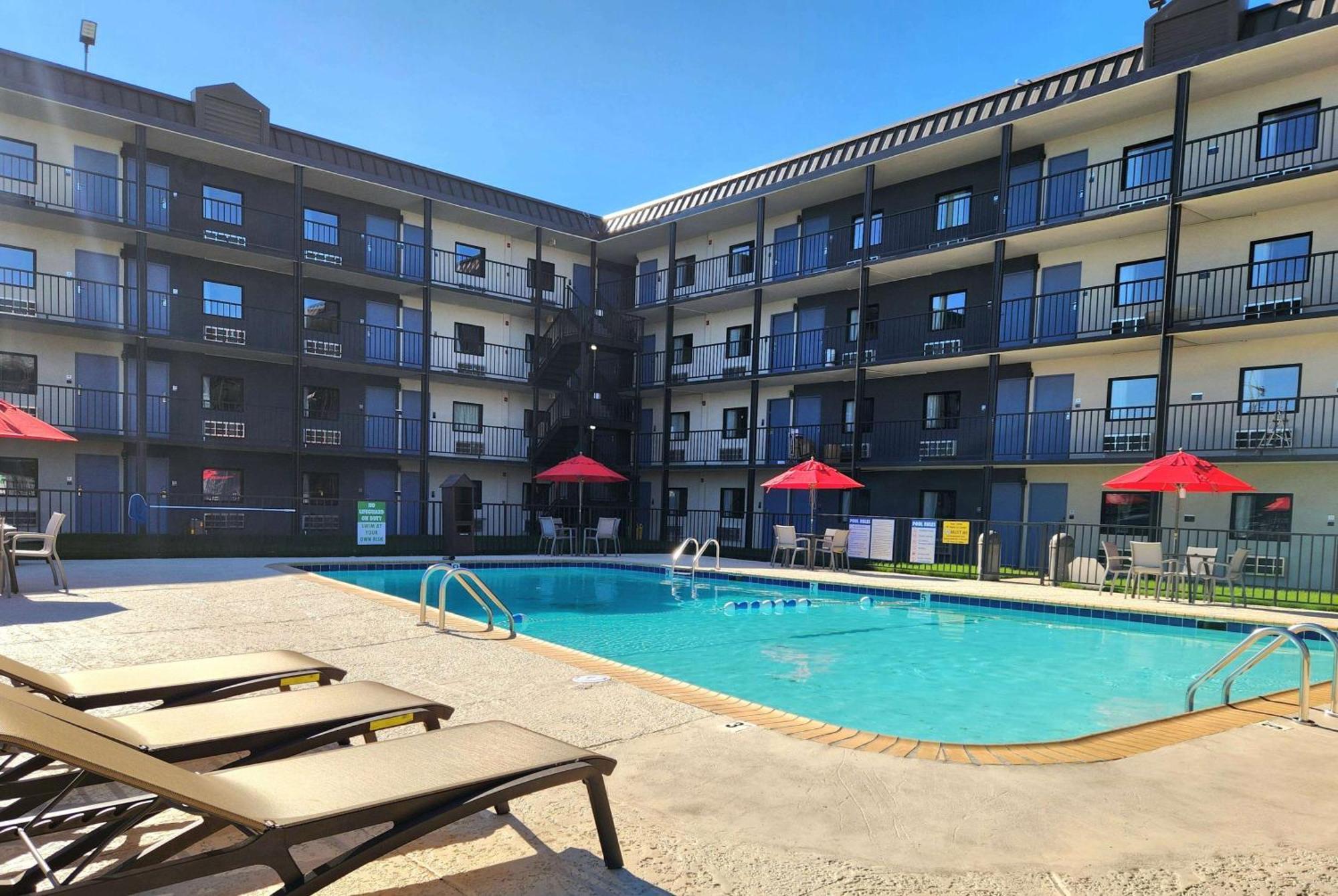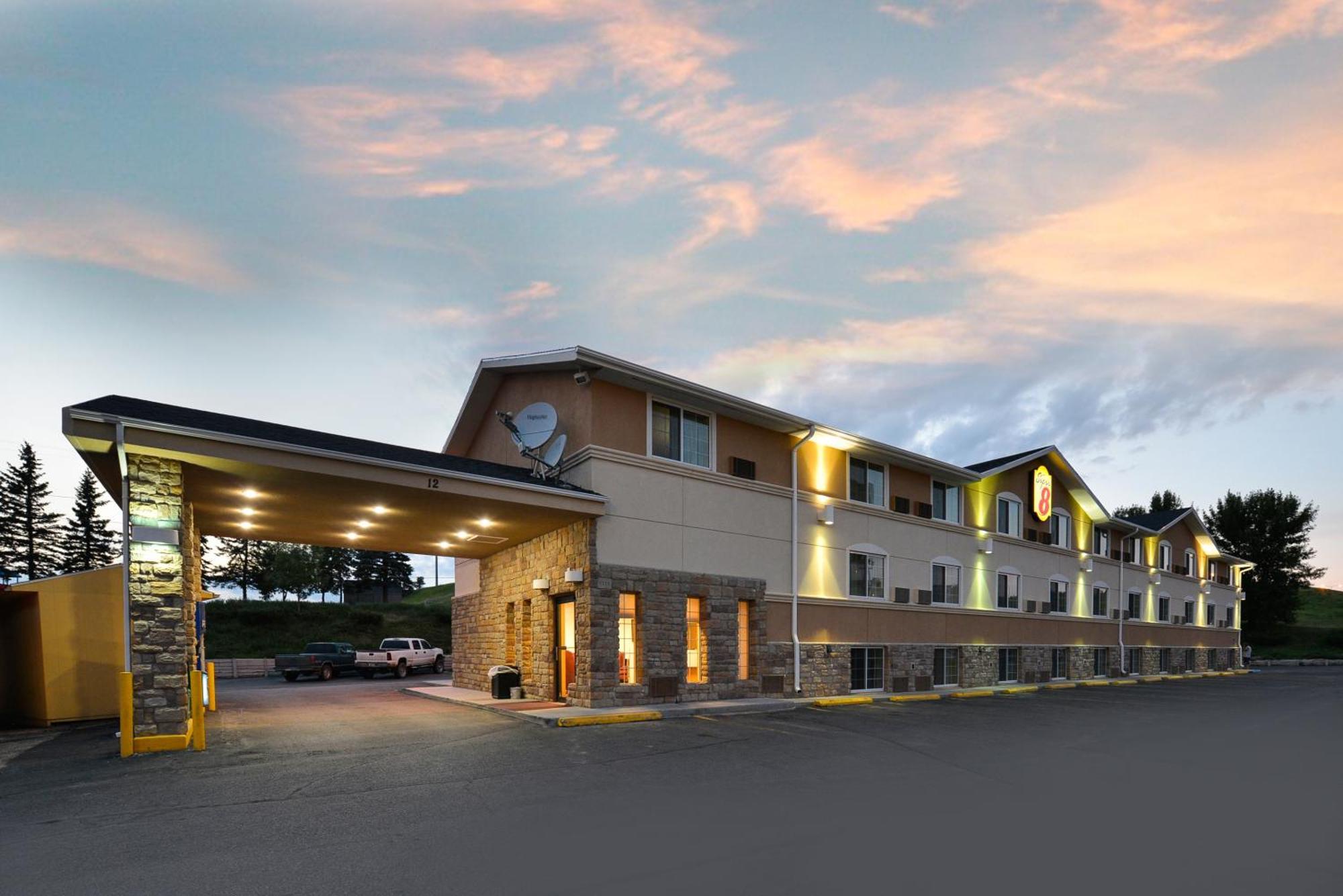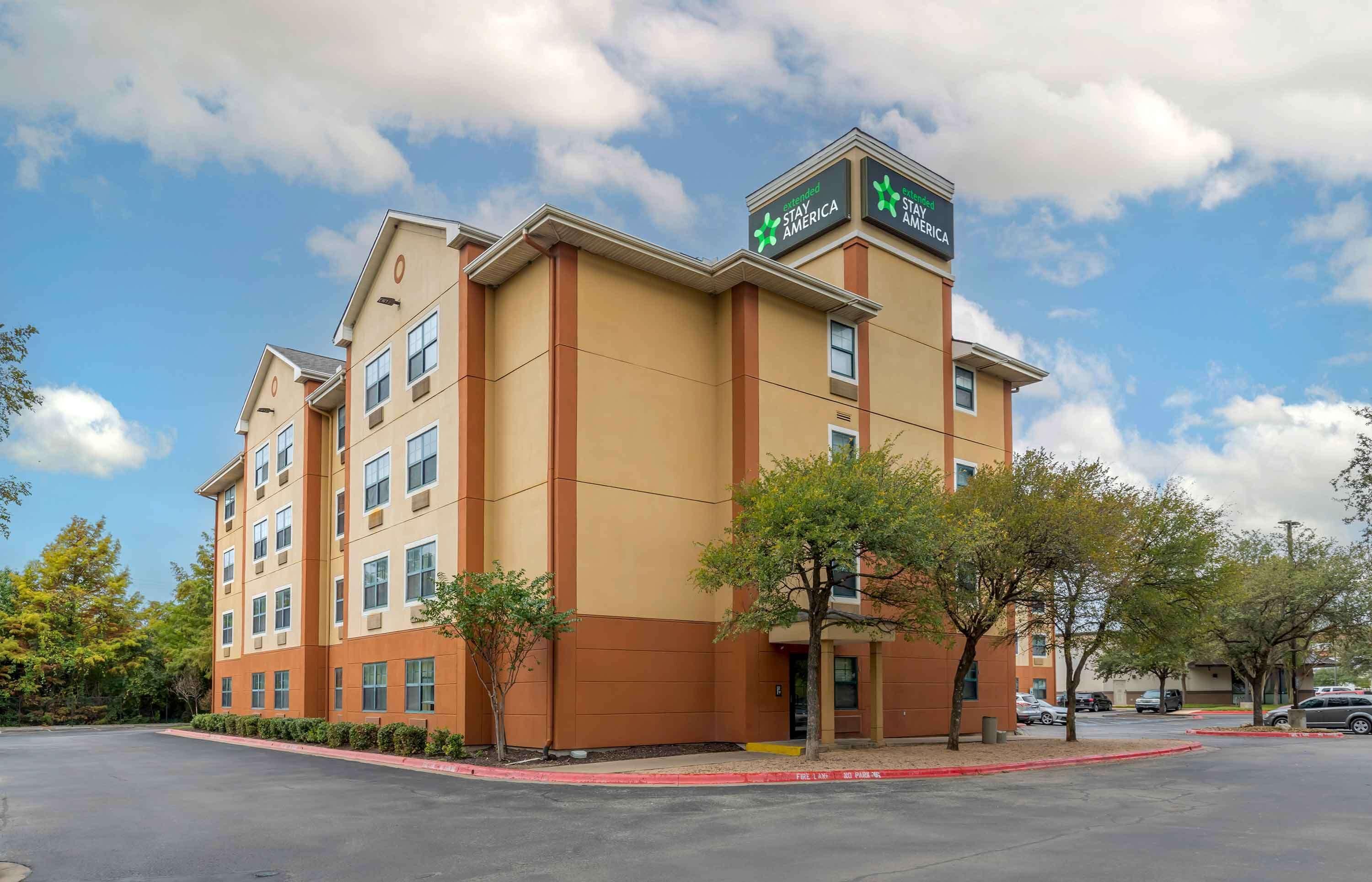
North Dakota draws travelers for its wide-open badlands, Native American heritage sites, and a surprisingly practical network of mid-sized cities - Fargo, Bismarck, Grand Forks, and Minot - each with its own hotel scene and travel rhythm. Whether you're crossing the state on business, exploring Theodore Roosevelt National Park, or attending a UND game at the Alerus Center, the right hotel base makes a real difference in how efficiently you move. This guide breaks down five concrete hotel options across the state so you can compare, decide, and book with confidence.
What It's Like Staying in North Dakota
North Dakota is one of the least-visited states in the U.S., which means no crowds at major sites and genuinely affordable accommodation across the board. The state's cities are compact and car-dependent - you'll almost certainly need a rental or your own vehicle to move between attractions, airports, and hotels efficiently. Winters are harsh, with temperatures dropping well below freezing, so indoor amenities like heated pools and covered parking matter far more here than in milder destinations.
Fargo is the most urban option, with the densest restaurant and entertainment scene, while Bismarck serves as the political and cultural capital. Grand Forks and Minot are smaller but strategically useful if your itinerary includes the northern corridor or Minot Air Force Base visits.
Pros:
- Accommodation prices are among the lowest in the northern U.S., with solid mid-range hotels available well under the national average
- No major tourist overcrowding - popular sites like the North Dakota Heritage Center or Enchanted Highway are easily accessible without wait times
- Generous free parking is standard at nearly all hotels across the state, saving meaningful costs compared to coastal cities
Cons:
- A car is essentially mandatory - public transit is minimal even in Fargo, making walkability a non-factor for most travelers
- Winter weather (October through March) can disrupt travel plans with road closures and flight delays at smaller airports
- Dining and nightlife options outside Fargo are limited, making in-hotel amenities like restaurants and bars more important than elsewhere
Why Choose a Hotel in North Dakota
Hotels in North Dakota - spanning budget-friendly 2-star chains to a full 5-star property in Fargo - tend to offer larger room footprints than equivalents in major metro areas, often including microwaves, refrigerators, and full parking at no extra charge. The price-to-space ratio across the state is genuinely strong, with many properties delivering amenities like indoor pools, hot breakfasts, and fitness centers at rates that would get you a basic room in Denver or Minneapolis. Because business travel drives a significant share of demand here, hotels are well-equipped for remote work, with business centers and reliable WiFi as standard rather than an upsell.
The trade-off is that hotel density outside the four main cities drops sharply, so availability near key attractions can tighten fast during events like UND football games, state fairs, or summer festivals - booking around 6 weeks ahead during peak season is advisable.
Pros:
- Spacious rooms with practical in-room amenities (kitchenette, fridge, microwave) are common even at 2-star properties
- Most hotels include complimentary hot breakfast, which adds real daily value especially on longer stays
- Business-ready infrastructure - 24-hour front desks, business centers, and fast WiFi - is standard across categories
Cons:
- Hotel options are concentrated in four cities; travelers routing through rural areas will find very limited choices
- Peak event periods (UND home games, Fargo Marathon, state legislature sessions) can spike room rates and reduce availability rapidly
- The 5-star segment is minimal - only one true luxury property exists in the state, limiting premium options for high-end travelers
Practical Booking & Area Strategy in North Dakota
Fargo is the most connected city in the state, with Hector International Airport serving direct routes to major hubs, making it the smartest entry point for most visitors. Hotels near Interstate 29 in Fargo put you within driving range of the Red River Zoo, West Acres Shopping Center, and the FargoDome, all within around 10 minutes by car. Bismarck is the best base for state history and government sites - the North Dakota State Capitol, North Dakota Heritage Center, and Dakota Zoo are all within a 10-minute drive from central hotel clusters. Grand Forks makes sense specifically if your trip revolves around the University of North Dakota or Alerus Center events, while Minot is the logical base for visits to the Scandinavian Heritage Park or Minot Air Force Base, especially given its airport is just 1 km from the main hotel corridor.
For Theodore Roosevelt National Park in the western Badlands, none of these cities are particularly close - Medora is the on-site gateway town, but travelers often overnight in Bismarck and drive west. Popular attractions across the state include the Enchanted Highway sculpture route, Fort Abraham Lincoln State Park, and the International Peace Garden on the Canadian border.
Best Value Stays in North Dakota
These properties deliver strong practical value across Minot, Grand Forks, and Bismarck - all offering essential amenities, free parking, and accessible pricing without unnecessary frills.
-
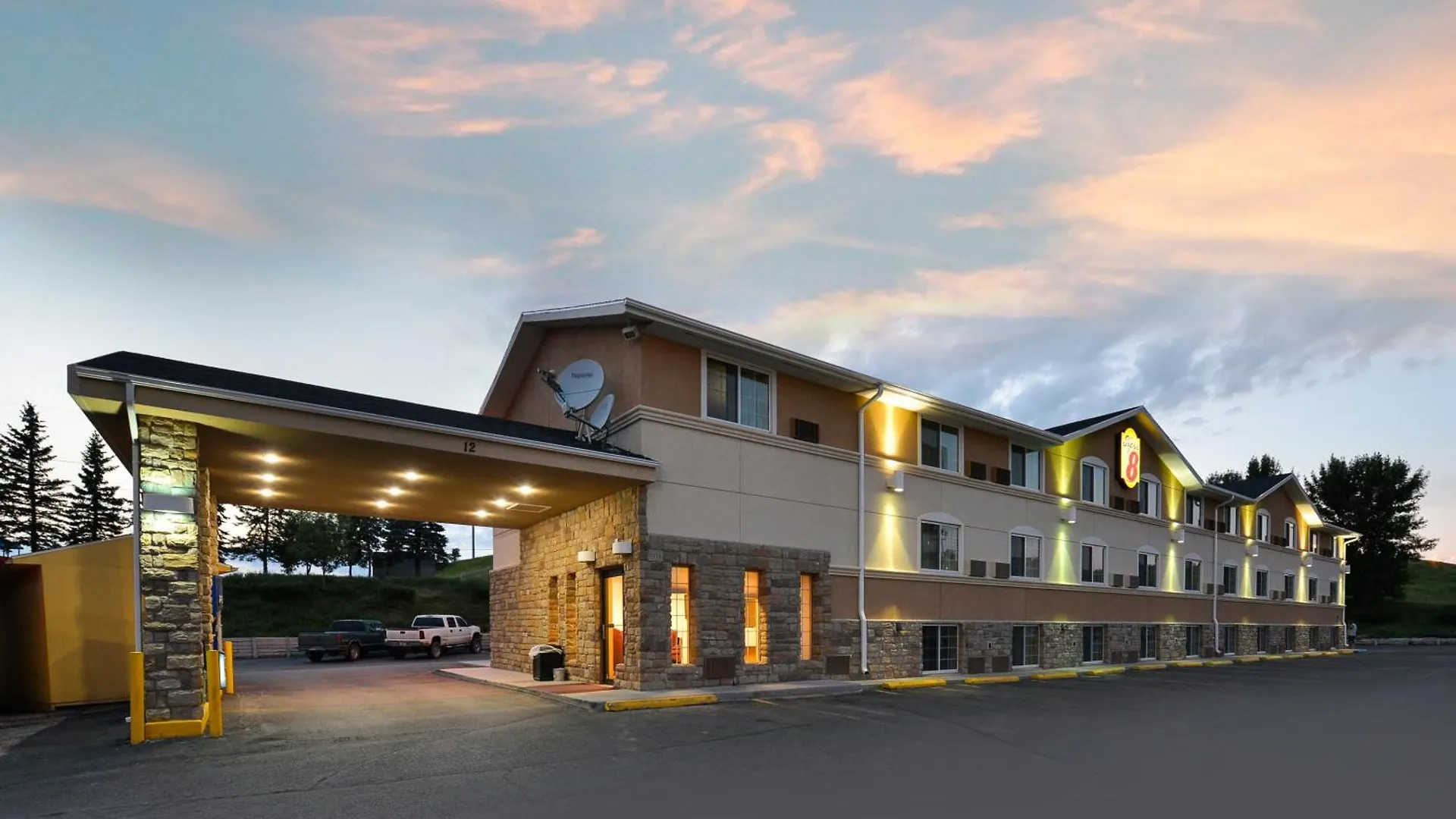
1. Super 8 By Wyndham Minot Airport
Show on map


Just a few rooms left at the best rate!
fromUS$ 45
-
2. Sleep Inn & Suites Grand Forks Near Alerus Center
Show on map


Just a few rooms left at the best rate!
fromUS$ 99
-
3. My Place Hotel-Bismarck, Nd
Show on map


Hurry – almost gone at this price!
fromUS$ 95
Best Premium Stays in North Dakota
For travelers prioritizing upscale amenities, dining on-site, and a higher-tier hotel experience, these two Fargo properties lead the state's premium segment.
-
4. Ramada By Wyndham Fargo
Show on map


Hurry – almost gone at this price!
fromUS$ 67
-
5. Jasper Hotel
Show on map


Rooms filling fast – secure the best rate!
fromUS$ 170
Smart Travel & Timing Advice for North Dakota
The clearest travel window for North Dakota is June through September, when temperatures are mild, roads are fully accessible, and outdoor attractions like Theodore Roosevelt National Park and the International Peace Garden are at their most usable. July and August represent peak demand in Fargo and Bismarck - particularly around the Fargo Cass County Fair, UND summer events, and state government activity - so booking at least 6 weeks in advance is strongly recommended to secure preferred properties at stable rates. Shoulder season (May and October) offers a meaningful price dip with still-reasonable weather for driving routes across the state.
Winter travel (November through March) should be planned around airport flexibility - Minot and Bismarck airports serve fewer routes than Fargo, so flight disruptions cascade more severely at those locations. A minimum of 3 nights is recommended to justify the drive distances between major attractions; day-trippers covering both the Badlands and Fargo in a single visit will find the geography unforgiving. Last-minute booking can work in the off-season but is a risk during any major event at the Alerus Center or FargoDome.