Nevada's motel scene covers an enormous geographic footprint - from desert gateway towns like Beatty and Caliente to highway stops in Battle Mountain and Lovelock, down to Boulder City just minutes from Hoover Dam. Whether you're road-tripping across the Great Basin or using Nevada as a base for national park access, motels here offer direct, no-frills value that larger resort properties simply can't match at equivalent price points. This guide covers 6 well-positioned Nevada motels with concrete details to help you choose the right stop for your route.
What It's Like Staying in Nevada
Nevada is one of the most geographically diverse states in the American West, spanning arid desert basins, mountain ranges, and iconic destinations like Death Valley's edge, Lake Mead, and the remote Great Basin. Driving is essentially non-negotiable - public transportation outside Las Vegas is nearly nonexistent, and distances between towns regularly exceed 100 km. Motels are the dominant accommodation format along Nevada's highways, and for travelers moving through the state rather than settling in one spot, they represent the most logistically sensible choice. Most Nevada towns outside Las Vegas see genuine crowds only during peak summer and holiday weekends, meaning mid-week stays are consistently quieter and easier to book.
Pros:
- Direct highway access from most motel properties cuts morning departure times significantly
- Nevada's dry desert climate means outdoor temperatures cool dramatically at night, reducing reliance on heavy HVAC
- Proximity to major natural landmarks - Death Valley, Hoover Dam, Cathedral Gorge - without resort-area price inflation
Cons:
- Limited dining options in smaller towns like Lovelock or Caliente after 9 PM
- Cell coverage on remote stretches of US-93 and I-80 remains unreliable
- Summer daytime temperatures regularly exceed 40°C in southern Nevada, making midday outdoor activity impractical
Why Choose a Motel in Nevada
Nevada motels offer a practical advantage that larger hotels rarely match: ground-floor room access with direct parking, which matters enormously when you're carrying gear for hiking, cycling, or long desert drives. In towns like Battle Mountain or Lovelock, motels are often the only lodging option available, making comparison shopping less relevant than knowing what amenities each property includes. Compared to Las Vegas strip hotels - which can run well above $200 per night on weekends - Nevada highway motels typically deliver functional rooms with free parking, free WiFi, and private bathrooms at a fraction of the cost. The trade-off is space: rooms are compact, and on-site dining is limited or absent. Around 80% of Nevada motel guests arrive by car, which shapes everything from check-in flexibility to checkout convenience.
Pros:
- Free private parking as standard - no valet fees or parking garage costs
- Flexible early check-in and late checkout more commonly negotiated than at full-service hotels
- Direct proximity to trailheads, scenic byways, and national park entrances not accessible by resort-area stays
Cons:
- On-site food options are limited - most Nevada motels have no restaurant or limited breakfast service
- Room soundproofing in older highway properties can be inconsistent
- Amenity gaps compared to branded chain hotels - limited fitness or business facilities at smaller properties
Practical Booking & Area Strategy
Nevada's motel market divides clearly by geography: Boulder City is the strategic base for Hoover Dam, Lake Mead, and day trips into Las Vegas without paying strip-adjacent prices, with Boulder City Municipal Airport just 4 km from key properties. Beatty positions travelers at the northeast entrance of Death Valley National Park, roughly 13 km from the park boundary - the closest town with any motel infrastructure. Battle Mountain and Lovelock serve I-80 corridor travelers heading between Reno and Salt Lake City, functioning as essential overnight stops rather than destinations. Caliente, on US-93, is the most useful base for Cathedral Gorge State Park. Book at least 3 weeks ahead for summer travel - June through August sees occupancy spike across southern Nevada as Death Valley and Lake Mead draw peak visitor volumes, and small-town motels with limited room counts fill faster than travelers expect.
Best Value Stays
These motels deliver reliable functionality at accessible price points - well-placed for highway travelers, national park access, and no-frills overnight stops across Nevada's main corridors.
-
1. Shady Motel
Show on map


 Check-infrom 15:00 until 23:59Check-outfrom 06:00 until 11:00
Just a few rooms left at the best rate!
fromUS$ 88
-
2. The Sands Motel
Show on map


 Check-infrom 14:00 until 23:59Check-outfrom 06:00 until 11:00
Just a few rooms left at the best rate!
fromUS$ 76
-
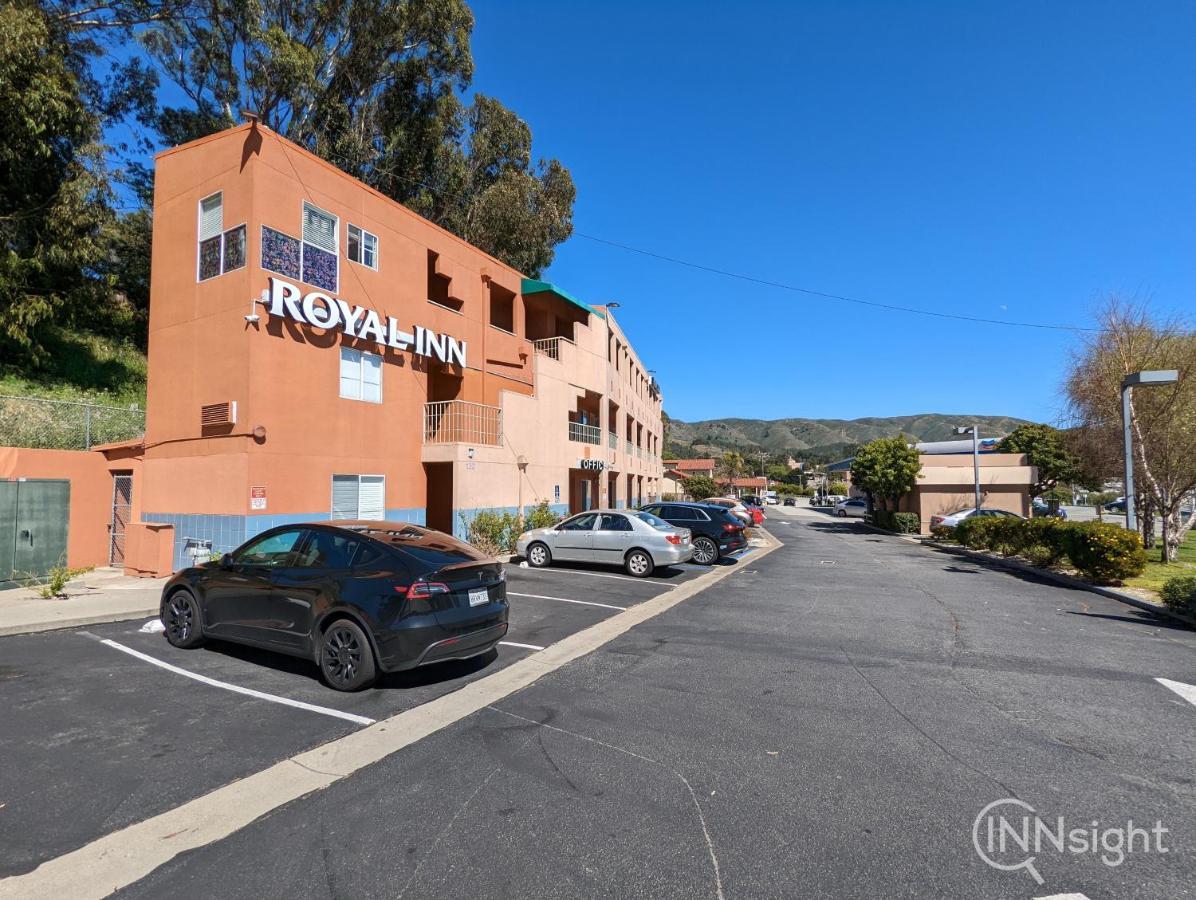
3. Royal Inn
Show on map


 Check-infrom 15:00 until 22:00Check-outfrom 07:00 until 11:00
Hurry – almost gone at this price!
fromUS$ 99
-
4. El Portal Motel
Show on map


 Check-infrom 15:00 until 21:00Check-outuntil 11:00
Hurry – almost gone at this price!
fromUS$ 69
Best Premium Motel Options
These two properties offer elevated amenities compared to standard Nevada highway motels - including pools, breakfast, fitness access, and restaurant facilities - making them the strongest all-round options for travelers prioritizing comfort alongside value.
-
5. Big Chief Motel
Show on map


 Check-infrom 15:00 until 23:30Check-outfrom 06:00 until 11:00
Rooms filling fast – secure the best rate!
fromUS$ 109
-
6. Lake Mead Inn
Show on map


 Check-infrom 15:00 until 23:59Check-outuntil 11:00
Rooms filling fast – secure the best rate!
fromUS$ 79
Smart Travel & Timing Advice
Nevada's peak travel season runs from late March through early September, with the sharpest occupancy spikes occurring in June and July when Death Valley and Lake Mead visitor numbers peak. Book southern Nevada motels - particularly in Beatty and Boulder City - at least 4 weeks ahead for summer travel; small properties with under 30 rooms fill quickly once online availability narrows. The shoulder months of October and November offer the most balanced conditions: cooler temperatures across the desert floor, reduced crowd pressure at Hoover Dam and Cathedral Gorge, and measurably lower room rates compared to peak summer. For I-80 corridor stops like Battle Mountain and Lovelock, last-minute booking remains viable outside summer and major holiday weekends. A two-night minimum stay in any single location allows genuine exploration of Nevada's surrounding landscapes rather than purely transient stopovers - one night is rarely enough to cover a national park entrance and a full-day trail.