Minneapolis Parks and Recreation oversees one of the most celebrated urban park systems in the United States, covering over 6,400 acres across more than 180 parks, 22 lakes, and 49 miles of parkways throughout the city. Business travelers heading to Minneapolis frequently look for hotels that balance proximity to downtown meeting venues, corporate offices, and event spaces, while also offering the amenities needed to stay productive - reliable WiFi, business centers, and easy freeway access. Whether your meetings are near the University of Minnesota, U.S. Bank Stadium, or the corporate corridors of Golden Valley and Roseville, this guide breaks down the most practical hotel options and what to actually expect when booking.
What It's Like Staying Near Minneapolis Parks and Recreation
The Minneapolis parks network doesn't concentrate around a single district - it spans the entire city, from Minnehaha Falls in the south to Wirth Park in the north, which means hotels described as "near Minneapolis Parks and Recreation" range from suburban Roseville and Brooklyn Center to downtown blocks away from the Mississippi River. Most business travelers find the suburban hotel corridors along I-694 and I-94 offer the fastest freeway access to downtown, typically within 20 minutes outside of rush hour. The Roseville and Golden Valley corridors are particularly functional for corporate trips since they combine easy highway links with noticeably lower nightly rates than downtown properties.
Crowds near park-adjacent areas are seasonal - summer weekends bring significant local activity around chain-of-lakes parks like Lake Harriet and Bde Maka Ska, but midweek stays are calm and low-traffic. Downtown-adjacent hotels sit within 3 km of Target Field, which means event nights can spike both street noise and parking difficulty.
Pros:
- Multiple freeway access points (I-94, I-35W, I-694) make navigating to different meeting locations across the metro genuinely fast
- Suburban hotel zones like Roseville offer free parking as a standard inclusion, eliminating daily downtown parking fees
- Proximity to parks provides practical value for early-morning runs or post-meeting walks without leaving the urban footprint
Cons:
- No single walkable hotel cluster exists - the parks system is distributed citywide, so location choice requires planning around your specific meeting address
- Downtown-adjacent properties near event venues experience unpredictable noise and traffic on game or concert nights
- Suburban properties require a car or rideshare for dining and evening options - walkable restaurant density outside downtown is limited
Why Choose Business Hotels Near Minneapolis Parks and Recreation
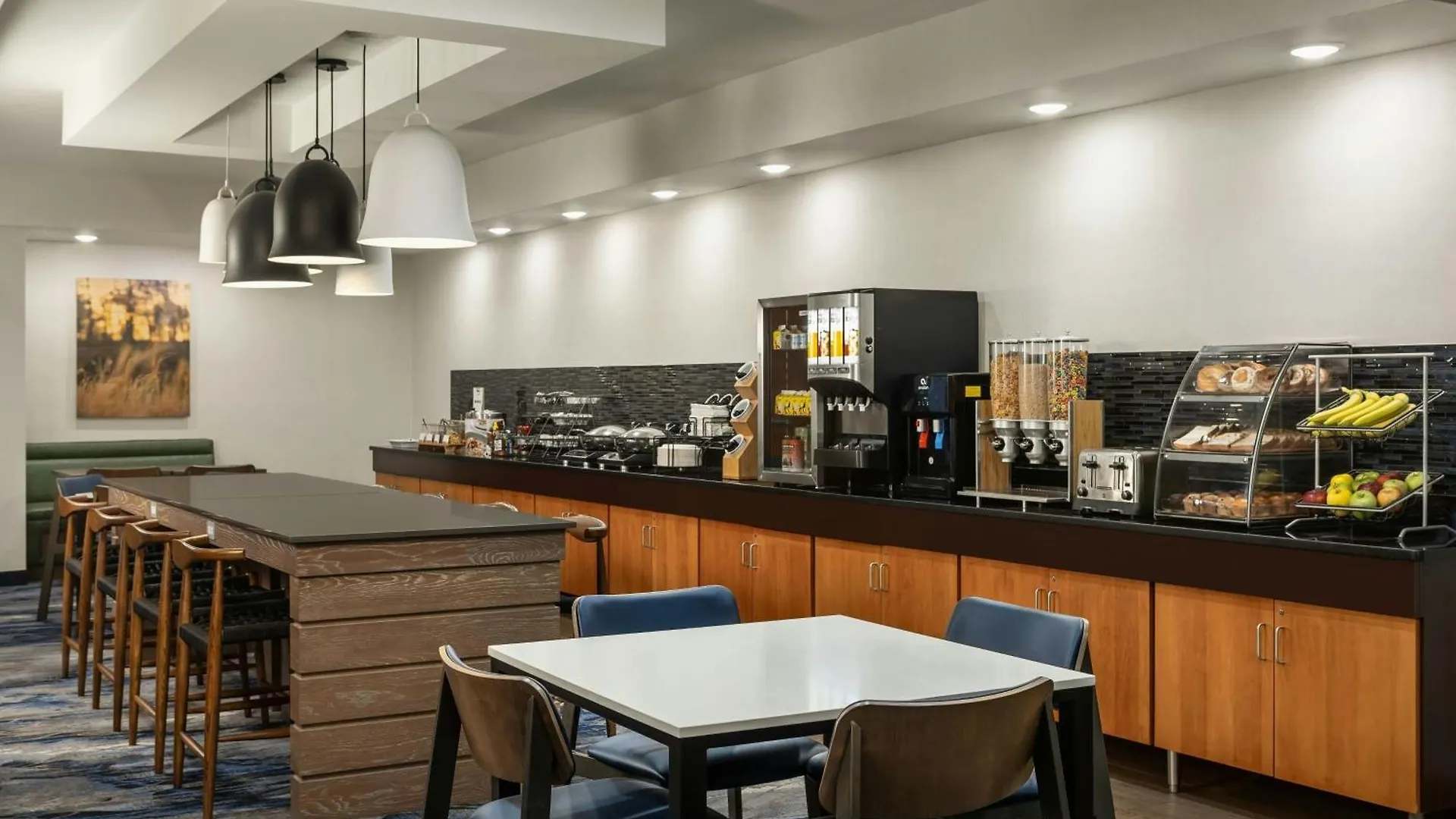
Business hotels in the Minneapolis metro near park corridors tend to offer a practical package that leisure-focused properties don't prioritize: 24-hour front desks, on-site business centers, fitness centers for early morning workouts, and complimentary breakfast to keep morning schedules tight. Properties in Roseville and Brooklyn Center typically run around 30% cheaper per night than comparable downtown Minneapolis business hotels, with the trade-off being a 15-25 minute commute to central meeting venues. Room sizes in suburban business hotels are generally more generous - extended-stay options like suite-format rooms with kitchenettes appear frequently in this corridor, which is valuable for week-long corporate trips.
The main trade-off in this zone is the lack of walkable infrastructure after hours. Downtown's Courtyard by Marriott is the outlier here - it puts guests within walking distance of the Guthrie Theater, Target Field, and the University of Minnesota campus, which matters for client entertainment. Suburban properties compensate with free parking and indoor pools, which are rare conveniences at comparable downtown price points.
Pros:
- Business centers, free WiFi, and 24-hour front desks are standard across nearly all options in this category, reducing dependency on external work infrastructure
- Free private parking is included at most suburban properties - a tangible daily saving compared to downtown paid garages
- Suite and extended-stay formats (kitchenettes, separate work areas) are available and suited to multi-night business trips
Cons:
- Evening dining and client entertainment require driving or rideshare from suburban properties - there is no walkable restaurant scene in Roseville or Brooklyn Center comparable to downtown
- Properties near the parks system's suburban edges sit far from public transit lines, making car rental or rideshare effectively mandatory
- Breakfast quality and dining variety on-site is limited to hotel buffets - no adjacent food hall or business district lunch options within walking distance
Practical Booking & Area Strategy
For business travelers whose meetings cluster downtown or near the University of Minnesota, Washington Avenue S and 2nd Avenue S position you within walking reach of both Target Field and the Guthrie Theater, which is where the Courtyard by Marriott Downtown operates. If your schedule involves multiple suburban office parks or facilities along the northern metro corridor, the Roseville strip along Fairview Avenue N and County Road B2 places you within 11-13 km of U.S. Bank Stadium and TCF Bank Stadium with direct I-35W access. Brooklyn Center properties along Shingle Creek Parkway and I-694 suit travelers whose meetings are spread across the northwest metro. Book at least 6 weeks ahead for peak conference season, which runs from September through November when corporate event density spikes across Minneapolis. Minnehaha Park, the chain of lakes (Bde Maka Ska, Lake Harriet, Lake of the Isles), Wirth Park, and the Mississippi River trails are all accessible within a short drive from any of these hotel corridors - worth factoring in if you have a free afternoon or evening to decompress between commitments.
Best Value Business Stays
These properties offer strong business-travel fundamentals - free parking, breakfast, business centers, and fitness access - at rates that consistently undercut downtown Minneapolis comparables without sacrificing connectivity to the city's major corporate districts.
-
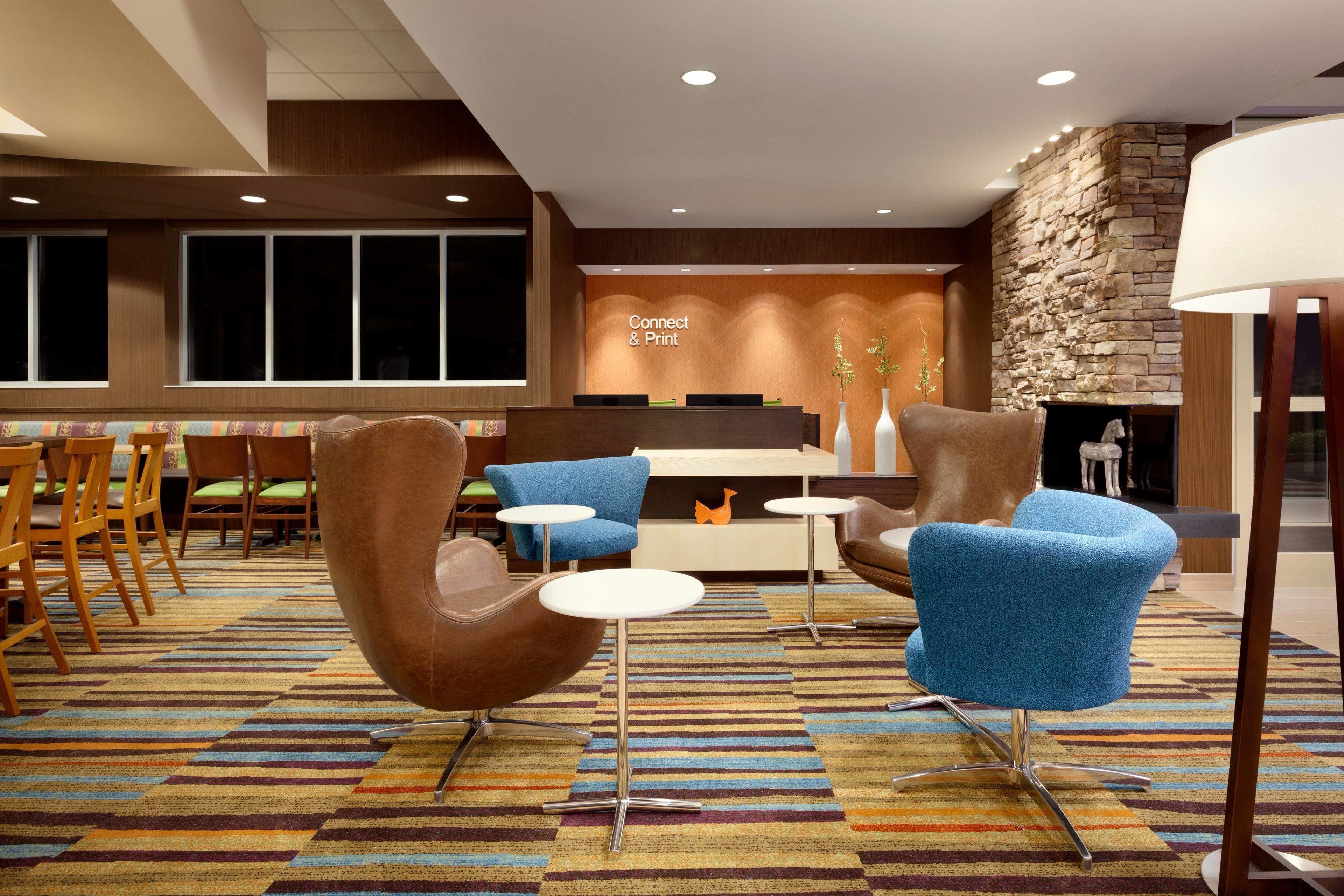
1. Fairfield Inn & Suites Minneapolis St. Paul/Roseville
Show on map


 Check-infrom 15:00 until 23:59Check-outuntil 12:00
Just a few rooms left at the best rate!
fromUS$ 133
-
2. Hampton Inn Minneapolis-Roseville,Mn
Show on map


 Check-infrom 15:00 until 23:59Check-outuntil 11:00
Just a few rooms left at the best rate!
fromUS$ 149
-
3. Home2 Suites By Hilton Roseville Minneapolis
Show on map


 Check-infrom 15:00 until 23:59Check-outuntil 11:00
Just a few rooms left at the best rate!
fromUS$ 158
-
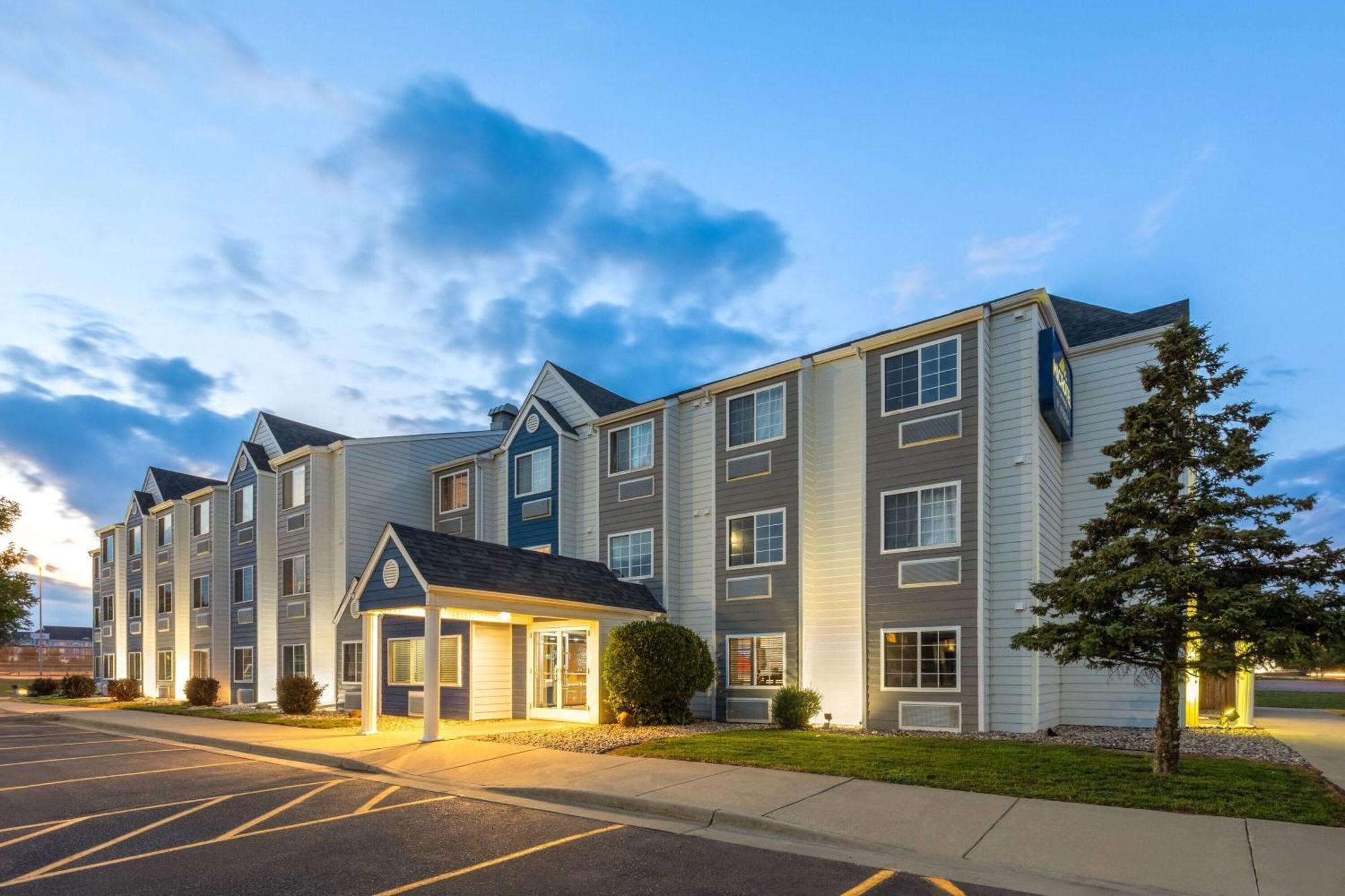
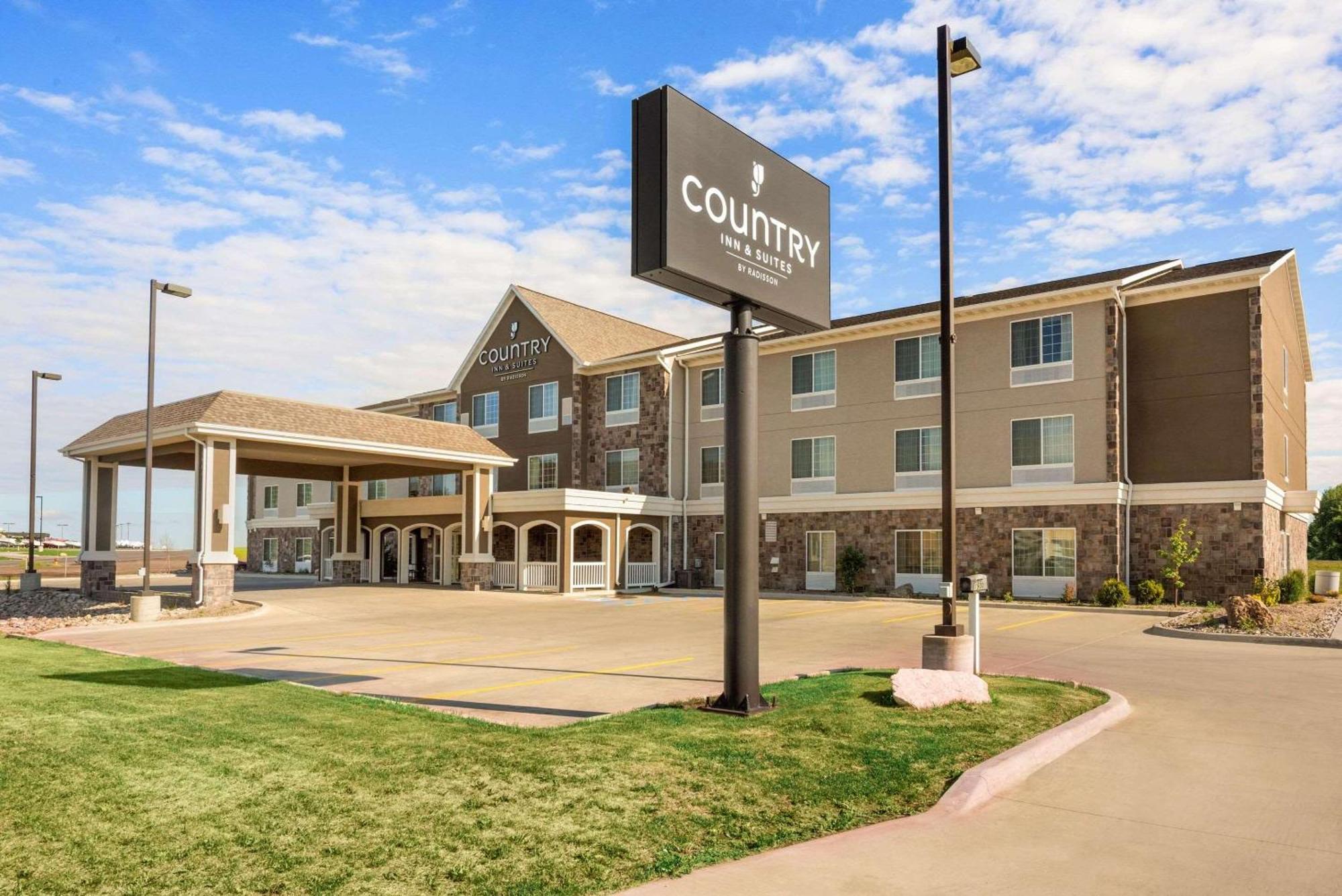
4. Country Inn & Suites By Radisson, Brooklyn Park - Brooklyn Center, Mn
Show on map


 Check-infrom 15:00 until 23:59Check-outuntil 11:00
Hurry – almost gone at this price!
fromUS$ 98
-
5. Comfort Inn
Show on map


 Check-infrom 15:00 until 23:59Check-outfrom 06:00 until 11:00
Hurry – almost gone at this price!
fromUS$ 64
Best Premium Business Stays
These two properties offer stronger downtown positioning or added dining and entertainment infrastructure, making them the logical choice when client-facing evenings or walkable access to Minneapolis venues are part of the business trip equation.
-
6. Ramada By Wyndham Minneapolis Golden Valley
Show on map


 Check-infrom 15:00 until 23:59Check-outuntil 11:00
Rooms filling fast – secure the best rate!
fromUS$ 99
-
7. Courtyard By Marriott Minneapolis Downtown
Show on map


 Check-infrom 15:00 until 23:59Check-outuntil 11:00
Rooms filling fast – secure the best rate!
fromUS$ 119
Smart Timing & Booking Advice for Minneapolis Business Travelers
Minneapolis business travel peaks during two distinct windows: the September-to-November conference season, when corporate events fill downtown venues and suburban business hotels simultaneously, and late spring around May when convention activity at the Minneapolis Convention Center accelerates. Booking at least 6 weeks ahead during these windows is the difference between securing a free-parking suburban rate and paying a premium for a last-minute downtown room. Summer months (June through August) bring leisure crowds to the parks and chain-of-lakes areas, but midweek hotel availability is generally strong and rates are stable for business-focused properties in Roseville and Brooklyn Center. Winter travel (December through February) is when Minneapolis hotel rates dip noticeably - suburban properties in particular offer strong value during this period, and the indoor pools and fitness centers at every property in this guide make cold-weather stays comfortable. A 2-3 night stay is the practical minimum for a full business visit that covers both downtown meetings and any suburban facility visits across the metro. Last-minute bookings within a week of arrival can work in winter and early spring, but summer and fall demand genuine advance planning, particularly if free parking and specific room configurations matter to your trip.